You wash your sheets. You vacuum the floor. But if you wake up stuffy, sneezing or with itchy eyes, the problem may be the one thing in your bedroom that never gets cleaned: the mattress. Over the years it collects dust mites, skin flakes, sweat and the odd spill.
This guide explains what is really inside an old mattress, what you can do at home, how to handle sweat and other stains, and what a professional mattress cleaning includes. It is written for New York apartments, where bedrooms are small, windows are few and you cannot just drag a mattress outside into the sun.
What is living in your mattress
Dust mites are too small to see. They do not bite. They feed on the skin flakes people shed every night, and they love warm, humid places. A mattress, a pillow and a heavy comforter give them all three: food, warmth and moisture from your body.
The mites themselves are not what makes most people sneeze. The trouble comes from proteins in their droppings and body parts. These light particles get stirred up every time you roll over or make the bed, and then you breathe them in. For people with dust mite allergies or asthma, that can mean:
- A stuffy or runny nose, often worse in the morning
- Sneezing fits when you make the bed
- Itchy, watery eyes
- Coughing or wheezing at night
Sweat and body oils add to the mix. Over time they soak into the top layers of the mattress, leave yellow stains and give the mites more moisture to live on.
Why NYC bedrooms make it worse
New York apartments have a few things working against you. Bedrooms are often small, and the bed takes up most of the room. Many have one window, or a window on an air shaft, so fresh air and sunlight are limited.
Summers here are humid, and dust mites grow fastest when the air is damp. In winter, prewar buildings with steam heat can swing the other way and get very dry. Dry air is actually hard on mites, but many people run humidifiers all winter, and an over-used humidifier next to the bed can make things better for the mites, not you. Most allergy groups suggest keeping indoor humidity under about 50 percent. A cheap humidity gauge from a hardware store tells you where you stand.
And unlike a house in the suburbs, you cannot carry a queen mattress down four flights of a walk-up and leave it in the yard to air out. Whatever you do, you do it in your bedroom.
A simple at-home routine that helps
You cannot make a mattress mite-free, but you can keep the numbers and the allergens down. These steps matter most:
Wash bedding hot, every week
Wash sheets and pillowcases once a week in hot water, 130°F or higher if the fabric allows it. Hot water kills mites. Cooler washes remove some allergen but leave many mites alive. A hot dryer cycle helps too.
Use allergy covers
This is the single best step for allergy sufferers. Buy zippered, allergen-proof covers for the mattress and pillows. They are made of tightly woven fabric that mites and their droppings cannot pass through. Put them on a clean mattress and keep them zipped. A regular mattress pad is not the same thing. It soaks up sweat, which is good, but it does not block allergens.
Vacuum the mattress
Every month or two, strip the bed and vacuum the whole top of the mattress, slowly, with the upholstery tool. Spend extra time on the seams and the edges, where dust builds up. Use a vacuum with a HEPA filter if you can, so the fine particles stay inside the machine and do not blow back into the room.
Let it breathe and rotate it
Leave the bed unmade for half an hour in the morning so moisture from the night can escape. Rotate the mattress head to foot every three to six months so it wears evenly. Many newer mattresses are made to be used on one side only, so check the label before you flip it.
Clean the rest of the bedroom too
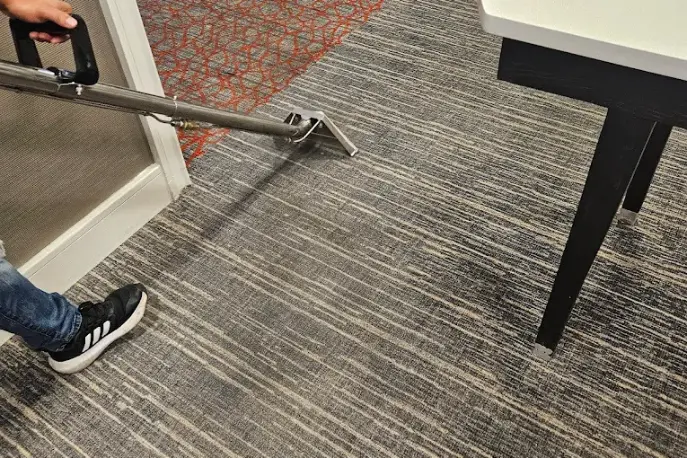
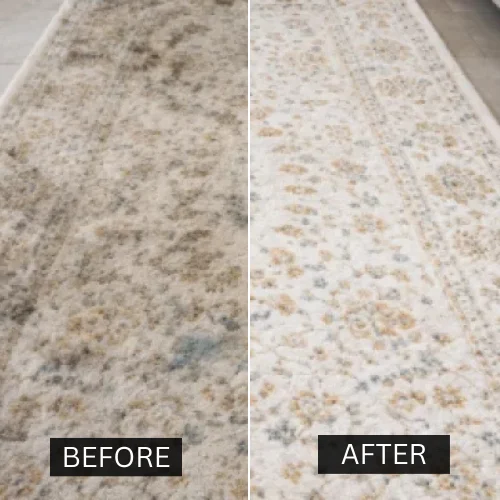
Mite allergen settles into anything soft. Wall-to-wall carpet, a rug next to the bed and an upholstered headboard or reading chair all hold it. Regular carpet cleaning and rug cleaning help keep the whole room calmer, not just the bed.
How to handle sweat, urine and other stains
The golden rule for a mattress is simple: use as little liquid as you can. A mattress is thick foam and fiber. If you soak it, the inside can stay damp for a long time, and that can lead to mildew and a sour smell that is worse than the stain. Always blot. Never pour.
- Yellow sweat stains: Mix a few drops of mild dish soap in cool water. Dampen a white cloth, blot the stain, then blot with a cloth dampened in plain water. Finish with a dry towel.
- Fresh urine (kids or pets): Strip the bed right away and blot hard with dry towels. Then use an enzyme cleaner made for urine, following the label, and blot again. Enzymes break down the parts of urine that cause the smell. Our guide on why pet urine smell comes back explains how this works.
- Blood: Always use cold water. Hot water sets blood. Blot with cold water and a little mild soap. On a white mattress cover, a small amount of 3 percent hydrogen peroxide can help, but test a hidden spot first because it can lighten colored fabric.
- Coffee, tea and juice in bed: Blot, then treat like a spill on carpet. Our post on red wine, coffee and takeout stains walks you through the first ten minutes.
After any spot cleaning, help the mattress dry. Open the window if you can, run a fan across the bed and keep the sheets off until the spot feels fully dry to the touch. Baking soda sprinkled on a dry mattress, left for a few hours and then vacuumed up, can help with light odors. It does not remove allergens or stains, though.
Mistakes that make things worse
- Soaking the mattress or using a home carpet machine on it. Too much water, and not enough suction, leaves the inside wet.
- Using a handheld steamer on memory foam or latex. Heat and moisture can damage foam and push moisture deep inside.
- Mixing cleaners, like bleach with ammonia or vinegar. This can release dangerous fumes in a small bedroom.
- Ignoring the warranty. Many mattress warranties do not cover mattresses with stains. A mattress protector from day one saves both the mattress and the warranty.
What a professional mattress cleaning includes
Years of sweat, skin flakes and mite debris build up deep in the top layers, where a household vacuum cannot reach. A professional cleaning gets much further. Here is what a good one looks like:
- Inspection. The technician checks the mattress type (innerspring, memory foam, latex or hybrid), the cover fabric and the stains, and tells you what can and cannot be expected.
- Deep vacuuming. A strong vacuum goes over the top, sides and seams to pull out dust, dead skin and mite debris before any moisture touches the mattress.
- Stain pre-treatment. Sweat, urine and other spots get the right product for that stain, such as an enzyme treatment for urine.
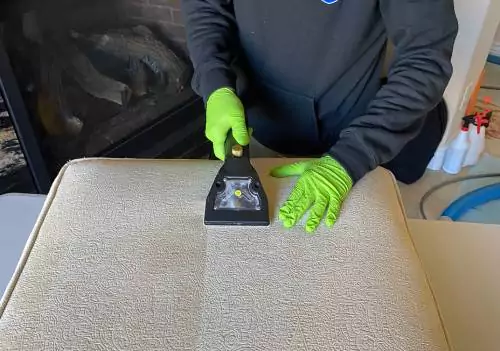
- Low-moisture cleaning. The surface is cleaned and rinsed with controlled moisture and strong extraction, so dirt comes out without soaking the inside.
- Drying. Because so little water is used, the mattress dries fast, usually within a few hours with good airflow.
Our IICRC-certified technicians use organic products that are safe for kids and pets, which matters on something you press your face against every night. Mattress cleaning fits easily into the same visit as your carpets, rugs or sofa cleaning. If you want to see what a full upholstery visit covers, read what a professional sofa cleaning includes.
One honest note: no cleaning makes a mattress allergen-free forever. Cleaning removes the buildup. Allergy covers and hot-washed bedding keep it from coming back. If your symptoms are strong, talk to your doctor or an allergist as well.
How often should you clean a mattress?
- Every week: Wash sheets and pillowcases in hot water.
- Every 1–2 months: Vacuum the mattress and check for stains.
- Every 3–6 months: Rotate the mattress. Wash the mattress protector.
- Once or twice a year: Have it professionally cleaned, more often if you have allergies, asthma, young kids or pets in the bed.
- Right away: After an accident, illness, or when you move into a new apartment with a mattress that came with it.
Frequently asked questions
Does mattress cleaning help with allergies?
It can help a lot. A deep cleaning removes built-up dust, skin flakes and dust mite debris that cause allergy symptoms. For the best results, follow it with zippered allergy covers and weekly hot washing of your bedding.
Can you clean a memory foam mattress?
Yes, but it needs a gentle, low-moisture method. Memory foam soaks up water like a sponge, so it should never be soaked or steamed. A professional uses controlled moisture and strong extraction so the foam stays dry inside.
How long does a mattress take to dry after cleaning?
With a low-moisture professional cleaning, a mattress dries fast, usually within a few hours. Wait until it feels fully dry before you put the sheets back on.
Can old sweat stains be removed?
Fresh sweat stains usually come out well. Old yellow stains often lighten a lot but may not disappear completely, because sweat and body oils can change the color of the fabric over time.
Is professional mattress cleaning safe for kids and pets?
With the right products, yes. We use organic, kid- and pet-safe cleaning products, and the low-moisture method means the mattress is ready to sleep on the same day.
Sleep on a cleaner mattress
Manhattan Carpet Cleaning NYC is a family-run company that has been cleaning mattresses, carpets, rugs and upholstery since 2005, with more than 4,500 homes cleaned. We serve Manhattan and all five boroughs. Learn more about us or read our Google reviews.
Call us at (646) 970-4501. We are open 24/7, and same-day appointments are often available. Carpet cleaning is $99 for 1 room, any size, and you save $20 when you book online. Tell us about your mattress when you book, and we will clean it on the same visit.