If you live in a prewar building in Manhattan, you know the winter routine. The heat comes on in the fall, the radiators start to hiss and knock, and some days the apartment feels like a sauna even with a window cracked open. That old steam heat keeps you warm. It also changes what happens to your carpets, rugs and couch.
Hot, dry air pulls moisture out of fibers. Radiators move dust around the room. Leaky valves drip rusty water on the floor. And many people fight the dry air with humidifiers that cause their own problems. This guide explains what radiator heat does to carpets and rugs, what to watch for, and simple steps to protect them until spring.
How heat works in a prewar building
Most prewar buildings in New York heat with steam. A boiler in the basement makes steam that rises through pipes to cast-iron radiators in each apartment. Many buildings use a one-pipe system. Steam goes up the pipe, and the water that forms as it cools runs back down the same pipe. Each radiator has a small air vent that lets air out so the steam can come in.
In most of these buildings, you can’t control the heat much. The building runs the boiler, and New York City law requires heat during the heating season, from October 1 to May 31. When it is cold outside, buildings must keep apartments at least 68°F during the day and at least 62°F at night. Many apartments run much warmer, so people open windows. That mix of hot radiators and cold drafts is hard on floors and fabrics.
What dry winter air does to carpets and rugs
Cold outdoor air holds very little moisture. When it gets heated inside, the relative humidity drops. In a steam-heated apartment it can fall well below 30 percent. Most experts suggest keeping indoor humidity between 30 and 50 percent. Below that, you feel it in your skin and throat, and your floors feel it too:
- Wool loses some of its bounce. Wool naturally holds a little moisture. In very dry air the fibers get stiffer, and busy walking paths can mat down and wear faster.
- Natural-fiber rugs get brittle. Jute, sisal and seagrass can dry out, shed more and even crack along folds.
- Static builds up. Synthetic carpets like nylon and polyester create more static in dry air. You get shocks at the doorknob, and dust and pet hair cling to the pile.
- Rug backings break down. Many tufted rugs use a latex glue on the back. Years of dry heat can make it crack and crumble, and you find a gritty powder on the floor under the rug.
- Dyes can fade. A rug that sits in the same warm, bright spot every winter can fade on one side.
Why radiators leave gray lines on carpet
A hot radiator creates a steady loop of air. Warm air rises from the radiator, cools near the ceiling and windows, drops to the floor, and flows back toward the radiator. That moving air carries fine dust, city soot and cooking grease.
When the air squeezes through a small gap, like under a closed door or along the edge of the carpet at the wall, the carpet acts like a filter and catches the dirt. Over time you get dark gray lines along the baseboards, around doorways and under the radiator. This is called filtration soiling. You may also see a dark shadow on the wall above the radiator. It is the same dust.
How to handle filtration lines
- Vacuum along the baseboards with the crevice tool once a week during heating season.
- Clean under and behind radiators about once a month with a long, thin radiator brush. Radiator covers trap a lot of dust too, so open them and clean inside.
- Don’t scrub the lines with a household cleaner. The soil is very fine and often oily. Scrubbing spreads it and frays the carpet edge.
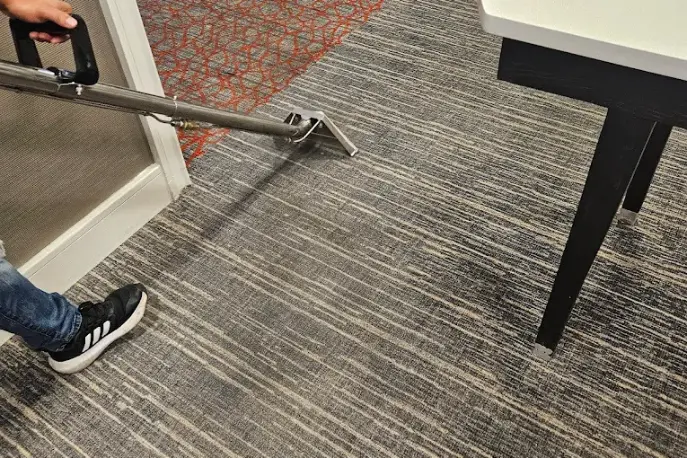
Filtration lines usually need professional spotting and hot water extraction to come out. Our technicians treat them as part of a regular carpet cleaning visit.
Leaky valves and spitting radiators
Steam radiators sometimes spit water or leak at the valve. Common causes are a stuck air vent, a radiator that is not tilted back toward the pipe, or an old valve. The water that comes out is often rusty. On carpet and rugs it can leave orange-brown stains, water rings and a musty smell.
- Tell your super or building management right away. Don’t try to fix a steam valve or vent yourself. Steam and radiator water are very hot.
- Protect the floor. Put a drip tray or a waterproof mat under a radiator that drips, and move rugs out of the way.
- Blot fast. Press a clean white towel on the wet spot until it stops picking up water.
- Never use bleach on rust. Chlorine bleach can make rust stains darker and can remove the carpet’s color.
- Dry a soaked rug from both sides. Lift the corner or prop it up so the floor and the back of the rug can dry. A wool rug that stays wet can get mildew, and some dyes can bleed.
Rust stains need a remover made for carpet, tested on a hidden spot first. If the stain is on a wool, silk or hand-knotted rug, leave it to a pro. Our rug cleaning service includes free pickup and delivery, so you don’t have to carry a wet rug down the stairs.
Keep rugs and furniture away from the radiator
- Don’t tuck a rug edge under or against the radiator. Constant heat dries the fibers and the backing, fades the dyes faster, and blocks heat from reaching the room.
- Be extra careful with silk and viscose rugs. They are the most sensitive to heat, dryness and water spots.
- Leave some space between the couch and the radiator. Fabric pressed against a hot radiator stiffens and fades over the winter. Our guide to microfiber and velvet couch care explains why this matters for soft fabrics.
- Watch the windowsill. Old windows often get condensation on cold days. Water can drip onto a rug that sits right under the window.
- Rotate rugs every few months. That way one side doesn’t take all the heat and sun.
For Oriental and Persian rugs, our guide to rug care between cleanings has more simple habits that help them last.
Using a humidifier without hurting your carpet
- Measure first. A small hygrometer costs little and shows your real humidity. Aim for 30 to 50 percent.
- Don’t set the humidifier on carpet or a rug. Small leaks and spills soak in, and constant moisture under the unit can cause a ring, a smell or mold. Put it on a table or on a tray.
- Use distilled water in ultrasonic models. With tap water, they can release a fine white mineral dust that settles on carpets and furniture.
- Clean it often. Standing water in the tank can grow mold and bacteria.
- Don’t overdo it. Above about 50 percent, dust mites and mold grow more easily, and old windows drip with condensation.
Winter is a smart time for a deep cleaning
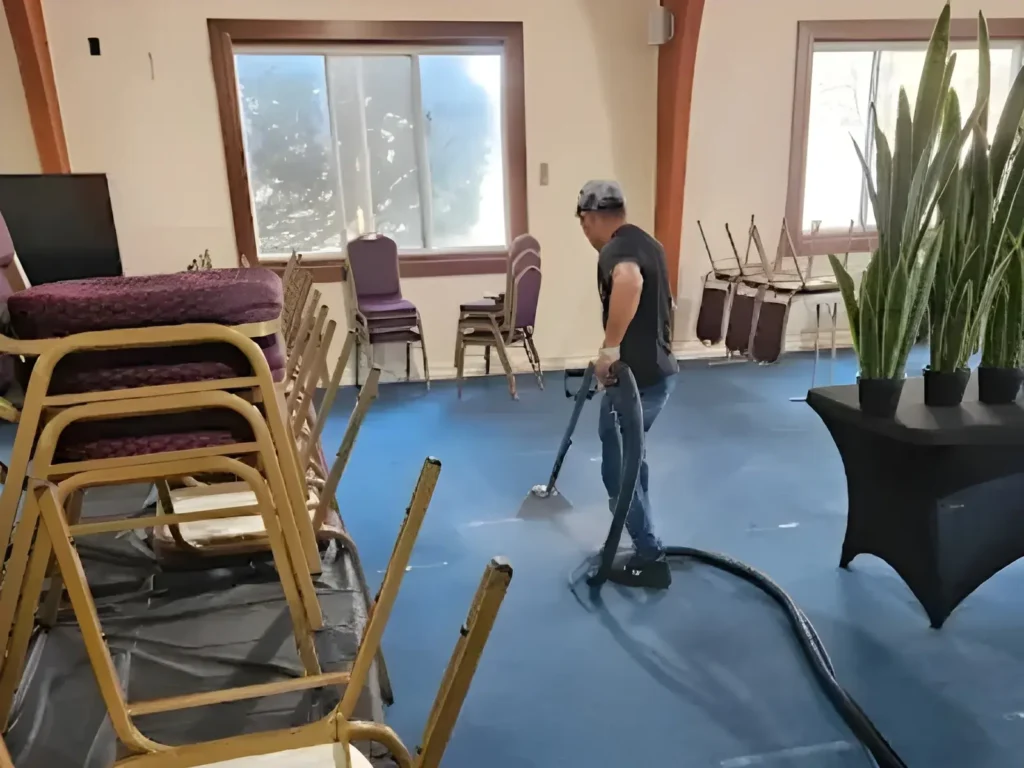
Many people wait for spring to clean their carpets. But winter has one big advantage in a steam-heated apartment: the warm, dry air helps carpets dry fast after hot water extraction, usually within a few hours.
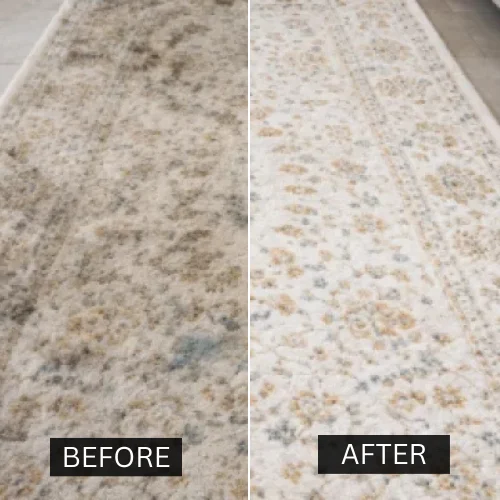
A winter cleaning also takes out the gray filtration lines, the fine dust the radiators keep moving around, and the salt and slush tracked in from the sidewalk. Our guide to salt stains on carpet explains why salt should not sit in the fibers until spring. If you have guests coming, it pairs well with our holiday carpet cleaning checklist.
Before the visit, clear the area around the radiators, and tell the technician about any leaks or rust spots. After the cleaning, a fan or a window opened a little helps the air move. If your couch also looks gray on the arms, you can add a sofa cleaning to the same visit.
Simple winter checklist for prewar apartments
- Vacuum walking paths twice a week and baseboards once a week.
- Clean under, behind and inside radiators and radiator covers once a month.
- Check radiator valves and vents for drips, and report leaks right away.
- Keep humidity between 30 and 50 percent.
- Keep the humidifier off the carpet and use distilled water.
- Keep rugs and the couch a little away from the radiator.
- Rotate area rugs every few months.
- Use a doormat inside and outside the door for salt and slush.
- Plan one deep cleaning in winter and one in spring. For the spring one, use our spring cleaning checklist for Manhattan apartments.
Frequently asked questions
Can radiator heat damage my carpet or rug?
Steady heat and very dry air can make fibers and rug backings brittle, fade dyes and dry out natural fibers like jute and sisal. Keep rugs a little away from the radiator, keep humidity between 30 and 50 percent, and vacuum often.
What are the dark gray lines along my baseboards?
They are called filtration soiling. Air moved by the radiator carries fine dust and soot, and the carpet catches it where air squeezes through gaps at the wall or under doors. Regular vacuuming slows it down, but the lines usually need professional cleaning to come out.
How do I get rust stains from a radiator out of carpet?
Blot up the water first and never use bleach, because it can make rust darker. Use a rust remover made for carpet after testing it on a hidden spot. For wool, silk or hand-knotted rugs, call a professional.
Is it OK to clean carpets in the winter?
Yes. In a heated apartment the dry air helps carpets dry fast, usually within a few hours. Winter cleaning also removes salt, slush residue and the dust that radiators keep moving around.
Can I put a humidifier on my rug?
It is better not to. Leaks and constant moisture under the unit can cause rings, odor and mold. Set it on a table or a tray, and use distilled water in ultrasonic models.
Call Manhattan Carpet Cleaning NYC
Manhattan Carpet Cleaning NYC is a family-run company based at 153 W 53rd St in Midtown, cleaning since 2005. Our IICRC-certified technicians have cleaned more than 4,500 homes, and we know prewar buildings, steam radiators and walk-ups well. We use organic products that are safe for kids and pets, and we serve Manhattan and all five boroughs. Learn more about us, or read what customers say in our Google reviews.
Call us at (646) 970-4501. We are open 24/7, and same-day appointments are often available. Carpet cleaning is $99 for 1 room, any size, and you save $20 when you book online.